Why the Demand for Asphalt Paving Is Rising Worldwide
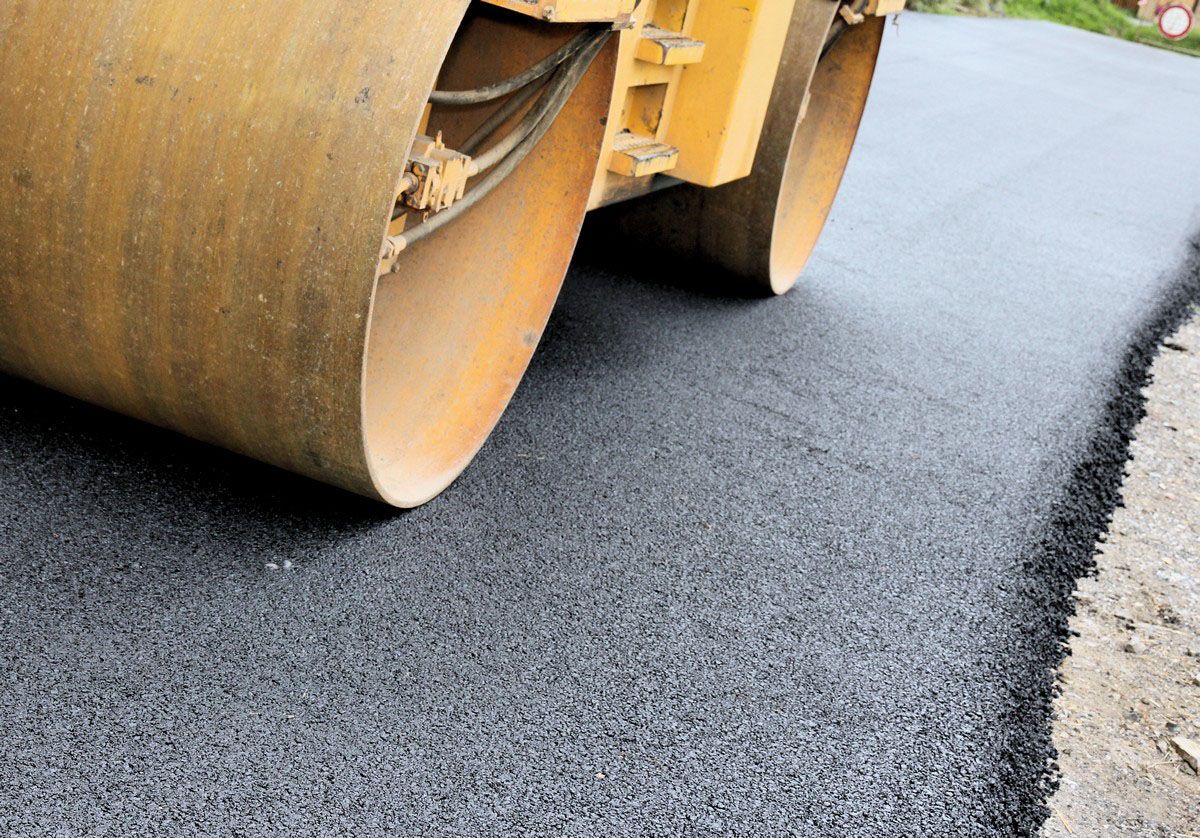
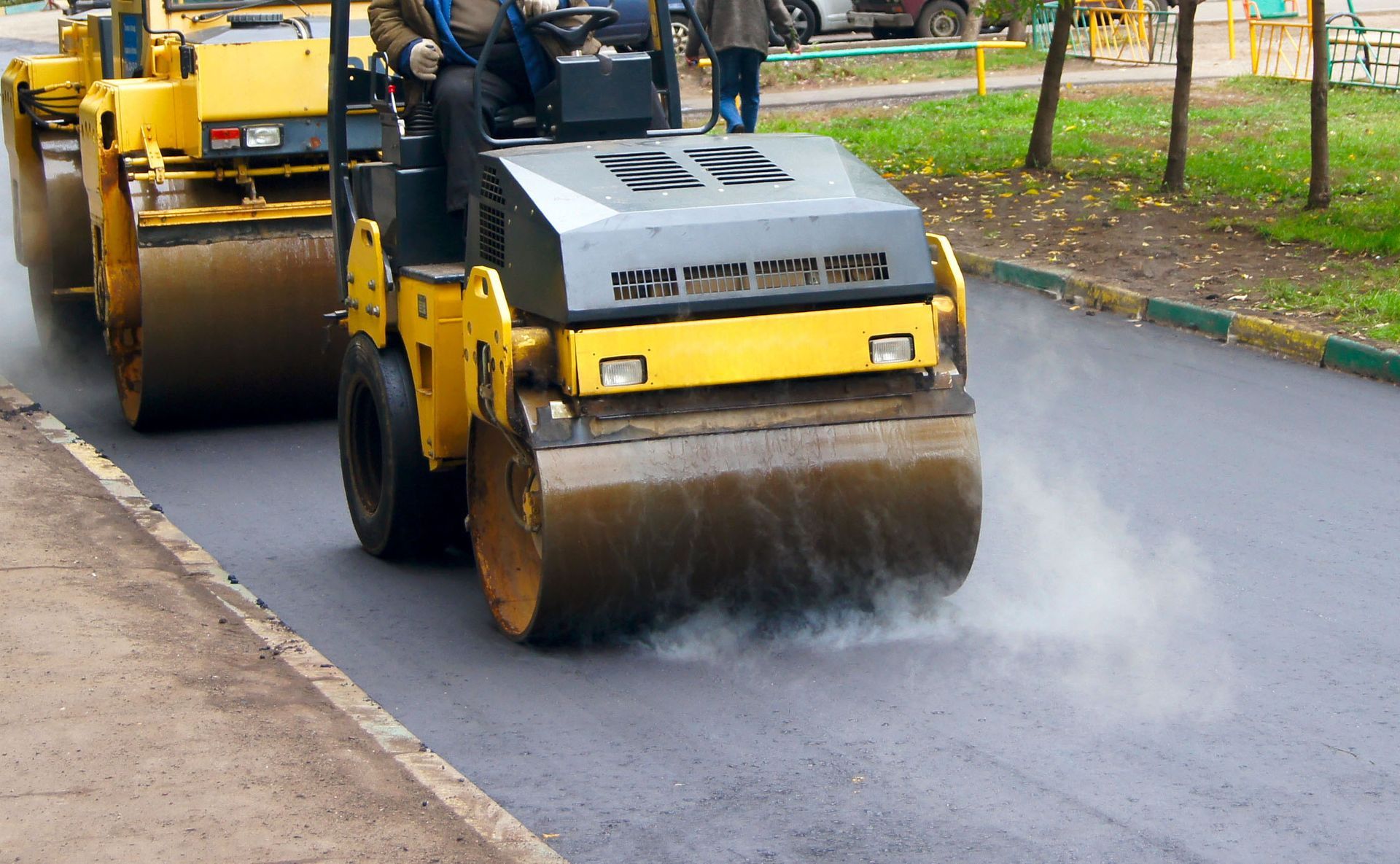
The global landscape of transportation and infrastructure is undergoing a massive transformation. From the bustling streets of expanding cities to the vital highways connecting rural communities, the surfaces we drive on are the literal foundation of modern life. Currently, asphalt remains the most popular choice for these surfaces due to its unique combination of speed, durability, and cost. As countries invest more heavily in their road networks, the industry is seeing a significant surge in activity. According to Future Market Insights, global asphalt pavers sales are predicted to rise swiftly at 4.4% CAGR and climb to a market size of USD 3,886.3 million by 2035-end.
This rising demand is not just about building new roads; it is about maintaining the ones we have and adapting to new environmental standards. The complexity of modern paving requires more than just pouring a mixture onto the ground. It involves precise engineering and heavy machinery that must be operated with care. Consequently, property managers and municipal planners are increasingly seeking professional help to ensure that their paving projects are completed to the highest standards. Understanding the drivers behind this global growth helps explain why asphalt is becoming the go-to material for the future of infrastructure.
Expanding Global Road Networks
The primary driver for the increased use of asphalt is the rapid expansion of infrastructure in developing nations. Countries across Asia, Africa, and Latin America are investing billions into new highway systems to support their growing economies. These projects are essential for the movement of goods and people, and asphalt is often the preferred material because it can be laid much faster than concrete. Speed is a critical factor when trying to connect remote areas to major trade hubs without causing years of traffic delays.
As these massive projects get underway, the need for advanced equipment becomes clear. This growth in equipment sales reflects the sheer scale of construction happening on every continent. To handle such vast amounts of material, construction firms are seeking professional help to manage the logistics and technical requirements of large-scale paving. This professional oversight is necessary to make sure the roads can handle the heavy traffic loads they will face immediately upon completion.
Supporting Urbanization
The world is becoming more urbanized at a staggering rate. As more people move into cities, the demand for parking lots, residential streets, and transit lanes reaches an all-time high. Modern cities are also moving toward "smart city" designs, where roads are integrated with sensors and better drainage systems. Asphalt is incredibly versatile, making it the perfect candidate for these high-tech urban environments. It can be formulated to be porous, allowing rainwater to drain through the surface and back into the soil, which helps prevent city flooding.
The technical nature of these "green" and "smart" pavements means that a simple approach to paving is no longer sufficient. Property developers are seeking professional help to implement these specialized solutions correctly. The market is reacting to these needs with more sophisticated machinery and materials. This ensures that the next generation of city streets is not just a place for cars, but a functional part of the urban ecosystem that manages water and reduces heat.
Improving Road Safety and Smoothness
Safety is a top priority for any transportation department. Asphalt provides high contrast for road markings, making it easier for drivers to see the lanes of roads in the rain or at night. Furthermore, the smooth nature of asphalt reduces the vibration felt by vehicles, which leads to less driver fatigue and better fuel economy. A smoother road is a safer road, as it allows for better tire contact and shorter stopping distances.
Achieving this level of smoothness requires precise leveling and compaction that can only be achieved with professional-grade equipment. Because the quality of the finish is so important, many agencies are seeking professional help to conduct regular maintenance and resurfacing. The industry is scaling up to meet these quality demands. This investment in equipment allows for the creation of "perpetual pavements" that only need the top layer replaced every few decades, keeping the road safe and smooth indefinitely.
Rehabilitating Aging Infrastructure
In many developed countries like the United States and Germany, the focus is not on new roads but on fixing old ones. Much of the infrastructure built in the mid-20th century is reaching its breaking point. Potholes, cracks, and structural failures are common sights. Asphalt is the ideal material for rehabilitation because it can be used for "overlays," where a fresh layer of asphalt is applied directly over the old road to give it a second life.
This process of rehabilitation is constant and requires a steady supply of labor and equipment. Property owners with large parking lots or private roads are also seeking professional help to manage their aging assets before they require a total, expensive reconstruction. The scale of this repair work is a significant portion of the market growth. This ongoing need for repair ensures that the demand for paving will remain high for decades to come.
Increasing Commercial and Industrial Growth
Beyond public roads, the private sector is a major consumer of asphalt in every modern economy. The rise of e-commerce has led to a massive increase in the number of warehouses and regional distribution centers. These facilities require huge, durable parking areas and heavy-duty loading docks that can withstand the constant, punishing weight of heavy delivery trucks. Asphalt is the preferred choice here because it is cost-effective for large areas and can be repaired quickly without shutting down the facility for weeks.
For a business, a damaged or crumbling parking lot is a significant liability and a poor reflection on the brand identity. This is why commercial property managers are seeking professional help to create comprehensive, long-term maintenance plans. They need their surfaces to be perfect to prevent pedestrian injuries and costly vehicle damage. The expansion of these commercial zones is a global trend that shows no sign of slowing down. According to Future Market Insights, global asphalt pavers sales are predicted to rise swiftly at 4.4% CAGR and climb to a market size of USD 3,886.3 million by 2035-end. Whether it is a new shopping mall or a shipping hub, the need for reliable pavement is a constant factor in business growth.
The world is moving faster than ever, and the surfaces used to move goods and people must keep pace with this momentum. The rising demand for asphalt is a clear indicator of global economic growth and a commitment to better, safer, and more sustainable infrastructure. While the materials are simple, the application is a complex science that requires the right tools and a deep understanding of physics and chemistry.
As the industry continues to grow and evolve, the importance of quality work cannot be overstated for long-term durability. By seeking professional help, you can make sure that your investment in paving is protected and that your surfaces will last for many years without failure. Whether it is for a public highway or a private driveway, the benefits of a professionally laid asphalt surface are clear in terms of safety, appearance, and value. To ensure your surfaces are durable and smooth, contact the most reliable asphalt paving companies and schedule your project with Central Asphalt Paving, Inc today.